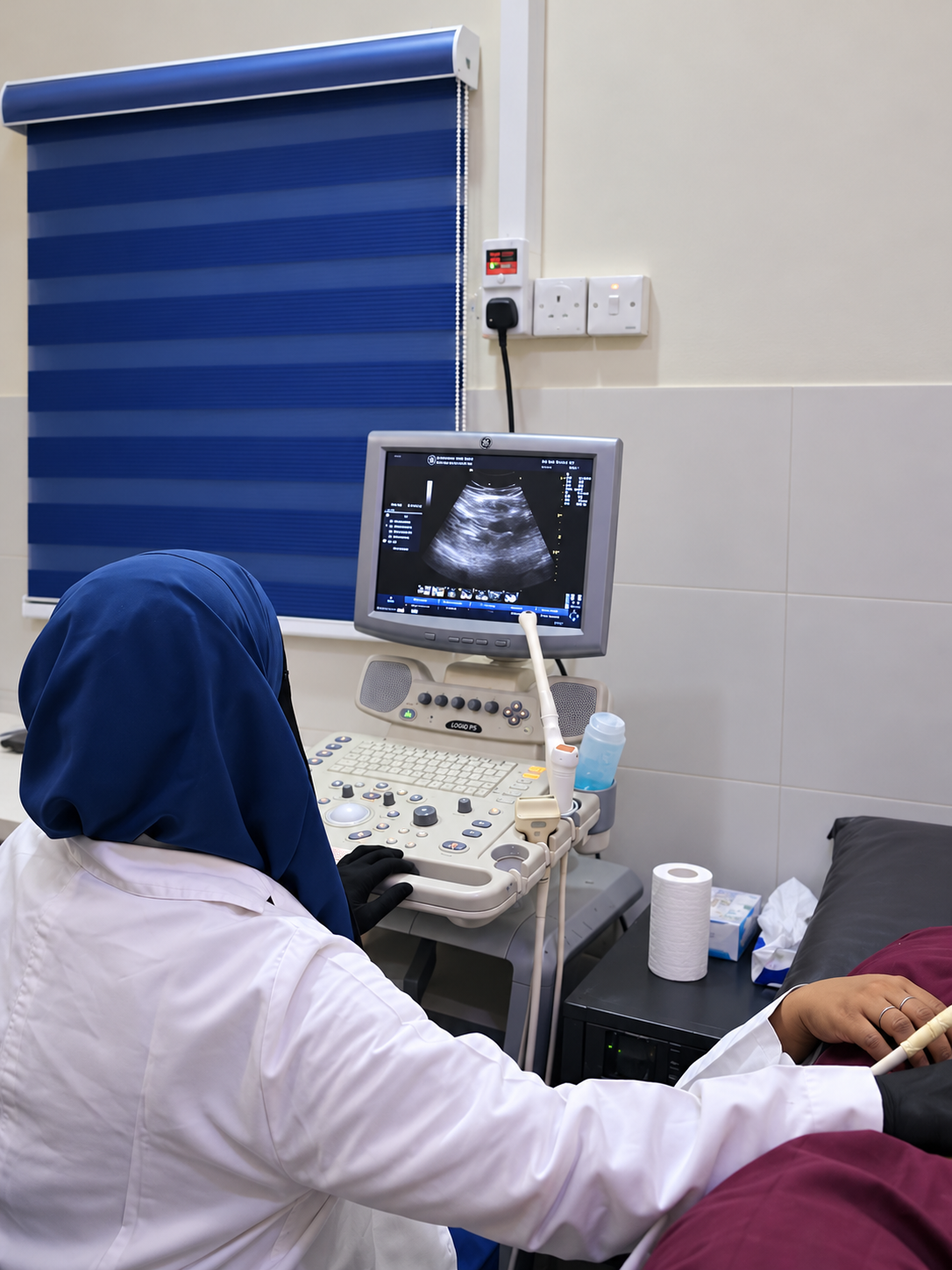
Behind the Results: How Automated Clinical Analyzers & GLP Standards Ensure Diagnostic Certainty
A look inside Klinchex’s automated biochemistry and hematology suites. How dual-scientist verification and optical calibration eliminate human analytical error.
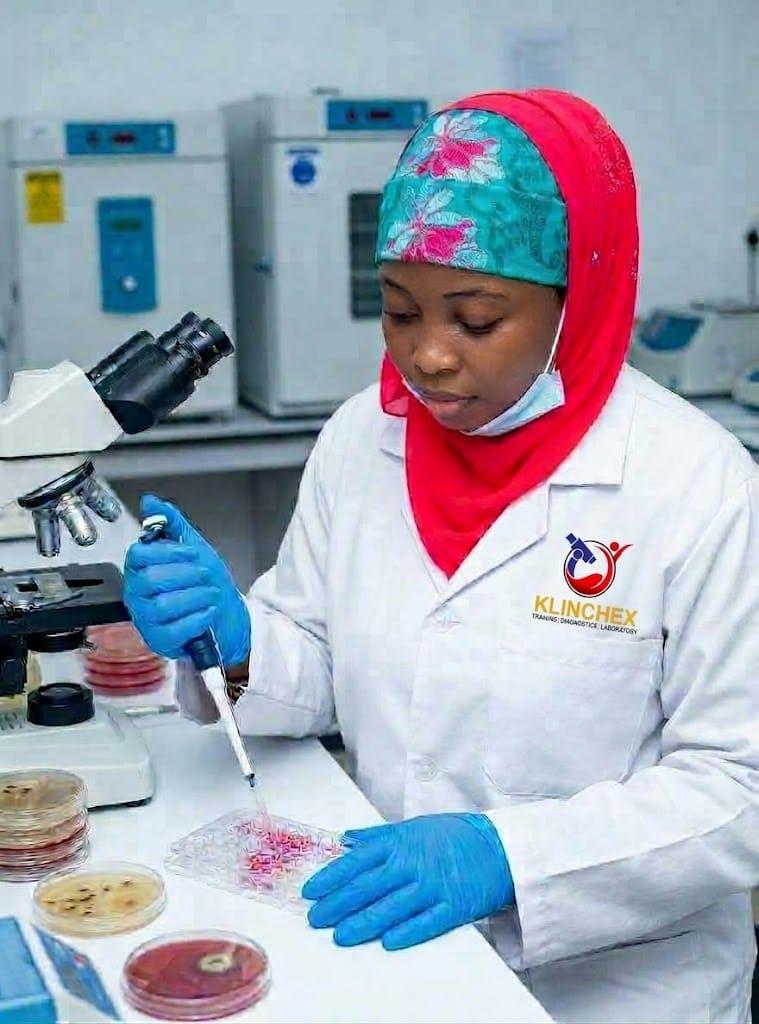
1. Automated Barcoded Specimen Tracking
Human transcription error is historically the largest single source of laboratory misdiagnoses. At Klinchex, the moment a specimen is drawn, a unique machine-readable barcode is generated that follows the specimen across centrifuges, chemistry platforms, and automated analyzers.
Direct electronic interfaces connect our Roche and Sysmex platforms directly with our Laboratory Information Management System (LIMS), eliminating manual data entry entirely.
2. Daily Multi-Level Quality Control Runs
Before any patient specimen is processed each morning, clinical scientists run multi-level commercial control sera (known low, normal, and high concentrations) across all automated channels. These values are plotted on Levey-Jennings quality charts to detect any optical drift or reagent deterioration.
- Zero tolerance for analytical drift: machines recalibrated daily.
- Sub-micron optical photometric accuracy across spectrophotometer flow-cells.
- Dual-validation clinical sign-off: abnormal results reviewed by clinical pathology supervisors.
3. Dual-Scientist Validation
Automated flags immediately identify critical or abnormal results. Any critical panic value triggers immediate automated re-testing on a separate dilution, followed by direct phone notification to the attending clinician.
Summary & Next Steps
Clinical accuracy is not an accident; it is the deliberate result of advanced technology, disciplined protocols, and passionate medical laboratory scientists dedicated to Kano’s healthcare.
Laboratory Medicine Division
Walk in to our Kano diagnostic centre along BUK Road, or book an appointment online with priority sample collection.